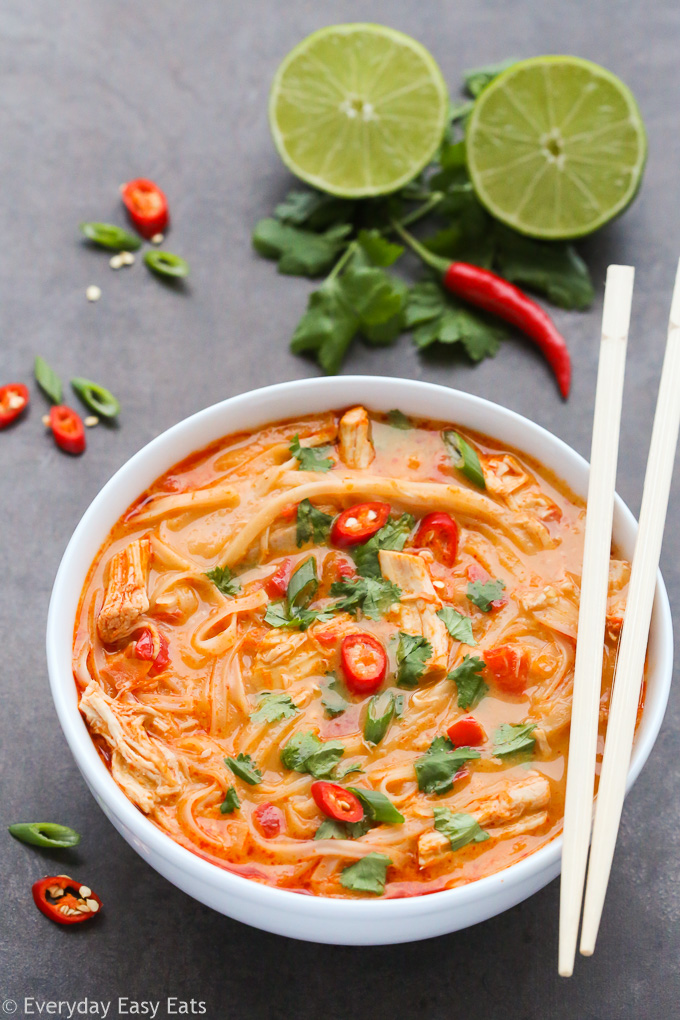
Easy Thai Chicken Noodle Soup: 20-Minute Weeknight Comfort
Imagine the gentle steam rising from a bowl brimming with rich, aromatic broth, tender chicken, and springy noodles. This isn't a dream from your favorite takeout menu; it's your reality, ready in just 20 minutes! This Easy Thai Chicken Noodle Soup is your ultimate weeknight warrior, a dish that effortlessly brings the vibrant, comforting flavors of Thailand right to your kitchen table. When the weather cools down, or you simply crave a deeply satisfying, warming meal after a long day, this speedy one-pot asian chicken noodle soup is the perfect antidote to the dinner dilemma.
What makes this particular asian chicken noodle soup so special? It's a harmonious blend of creamy coconut milk, zesty lime, aromatic ginger, and the subtle kick of red curry, all dancing together in a single pot. It delivers restaurant-quality taste without the wait, the hassle, or the endless pile of dishes. Beyond its impressive speed, this recipe is incredibly versatile, inviting you to customize it with your favorite proteins and vegetables. Get ready to transform ordinary weeknights into extraordinary culinary journeys!
Unpacking the 20-Minute Magic: How to Achieve Weeknight Comfort Fast
The promise of a gourmet-level Thai meal in just 20 minutes might sound too good to be true, but the secret lies in smart ingredient choices and efficient cooking techniques. This is what truly elevates this dish to an "easy asian chicken noodle soup" masterpiece:
- Rapid-Cooking Proteins: We opt for thinly sliced chicken breasts or thighs. The reduced surface area means they cook through incredibly quickly, often in just 5-7 minutes. If you choose shrimp, they cook even faster, in just 2-3 minutes.
- Quick-Blanch Noodles: Rice vermicelli or thin rice noodles are perfect for this soup. They require very little cooking time, often just a quick soak in hot broth or a minute or two of boiling directly in the pot, soaking up all that incredible flavor.
- Efficient Aromatics: While fresh ginger, garlic, and onion provide unparalleled depth, prepping them efficiently (mincing or thinly slicing) ensures they release their flavors quickly into the broth. You can even use pre-minced versions in a pinch for extra speed.
- One-Pot Wonder: The beauty of a single pot cannot be overstated for speed and convenience. Sautéing aromatics, building the broth, cooking the protein and vegetables, and adding the noodles all happen sequentially in the same vessel. This minimizes cleanup and streamlines the entire process, making it a true one-pot asian chicken noodle soup.
- Mise en Place is Your Friend: The most crucial tip for hitting that 20-minute mark is to have all your ingredients prepped and ready before you even turn on the stove. Chop your veggies, slice your chicken, measure your liquids, and open your curry paste. This organized approach makes the cooking process feel like a breeze.
By focusing on these elements, you can easily whip up a steaming, flavorful bowl of this authentic-tasting asian chicken noodle soup, making it the perfect antidote to any mid-week dinner slump.
The Heart of the Flavor: Essential Thai Ingredients & Their Secrets
The depth and warmth of this Thai chicken noodle soup come from a carefully selected array of fresh ingredients, each playing a vital role in creating its signature profile. Understanding these components is key to mastering the dish:
- The Broth Base: Creamy Coconut and Savory Chicken
- Full-Fat Coconut Milk: This is non-negotiable for that rich, velvety texture and subtly sweet, creamy flavor that defines so many Thai dishes. While lighter versions exist, full-fat coconut milk ensures your soup has the body and mouthfeel it deserves. Dive deeper into perfecting your broth with our guide on Creamy Coconut Broth: Your Guide to Ultimate Asian Noodle Soup.
- Low-Sodium Chicken Broth: Provides a savory foundation without overwhelming the other flavors. Opt for low-sodium so you can control the saltiness with other seasonings. Homemade broth elevates the taste even further.
- Aromatics: The Foundation of Fragrance
- Fresh Ginger, Garlic, and Onion: These three work in harmony to build an aromatic base, infusing the broth with warmth, pungency, and a hint of sweetness. Always opt for fresh; dried substitutes simply can't capture the same vibrant essence.
- Spice & Seasoning: The Soul of Thai Cuisine
- Red Curry Paste: This is the backbone of your soup's Thai identity. It brings together a complex blend of dried chilies, lemongrass, galangal, and other spices. Adjust the amount to suit your spice tolerance – start with a smaller amount and add more if you like it hotter.
- Fish Sauce: Don't be intimidated by the name! Fish sauce is an umami powerhouse, adding incredible depth and savory complexity without imparting a "fishy" taste. It's essential for that authentic Thai flavor.
- Reduced-Sodium Soy Sauce: Balances the savory notes and contributes to the overall saltiness without making the soup overly salty.
- Brown Sugar: A touch of sweetness is crucial for balancing the salty, sour, and spicy elements, creating a harmonious flavor profile that is the hallmark of Thai cooking.
- The Zest of Life: Citrus Brightness
- Kaffir Lime Leaves: If you can find them (often in Asian grocery stores), these provide an unmistakable, deeply aromatic citrus note. If not, fresh lime zest is an excellent substitute, offering a bright, refreshing lift.
- Fresh Lime Juice: Squeezed in at the very end, fresh lime juice provides a vital acidity that brightens all the flavors, cutting through the richness of the coconut milk and adding a delightful tang.
- Protein & Produce: Heartiness and Crunch
- Chicken Thighs or Breasts: Thighs offer richer flavor and tenderness, while breasts provide a leaner option. Slicing them thinly ensures quick and even cooking.
- Fresh Vegetables: Carrots, red bell pepper, and mushrooms add vibrant color, essential nutrients, and a pleasing crunch. Feel free to incorporate other favorites like snap peas, bok choy, or spinach.
- Rice Vermicelli or Noodles: These thin, delicate noodles quickly absorb the broth's flavors and provide the satisfying base for your asian chicken noodle soup. Look for them in the international aisle or an Asian market.
- Garnish: The Finishing Flourish
- Fresh Cilantro: Stirred in just before serving, fresh cilantro adds a burst of herbaceous, zesty freshness.
- Sriracha or Chili Sauce: For those who crave extra heat, a drizzle of Sriracha can be added directly to individual bowls.
Each ingredient plays a crucial role in building the symphony of flavors that makes this asian chicken noodle soup so irresistible.
Customizing Your Comfort Bowl: Beyond the Chicken
One of the most delightful aspects of this Easy Thai Chicken Noodle Soup is its incredible adaptability. While chicken is a classic choice, this recipe eagerly embraces your culinary creativity, allowing you to tailor it to dietary preferences or whatever ingredients you have on hand. It's truly a customizable flavor journey.
- Protein Power-Ups:
- Shrimp: For an even quicker meal, swap chicken for raw shrimp. Add them in the last 2-3 minutes of cooking, as they turn pink and opaque very rapidly.
- Tofu: To make it vegetarian or vegan, use firm or extra-firm tofu, pressed and cubed. For best results, pan-fry or air-fry the tofu cubes separately until golden before adding them to the soup at the end for texture and flavor.
- Pork: Thinly sliced pork tenderloin or shoulder can also be a delicious substitute, offering a different savory depth.
- Vegetable Adventures: This soup is a fantastic vehicle for clearing out your produce drawer.
- Leafy Greens: Spinach, bok choy, or napa cabbage wilt beautifully into the hot broth. Add them right at the end.
- Cruciferous Veggies: Broccoli florets or chopped cauliflower add heartiness. Add them a few minutes earlier than softer vegetables to ensure they cook through.
- Other Favorites: Snow peas, corn kernels, bamboo shoots, water chestnuts, or even baby corn can add interesting textures and flavors.
- Noodle Nuances: While rice vermicelli is traditional, feel free to experiment.
- Ramen Noodles: Instant ramen noodles (without the seasoning packet) can be a convenient substitute.
- Soba or Udon: These Japanese noodles offer a different chew and heartiness.
- Gluten-Free Options: In addition to rice noodles, glass noodles or even zucchini noodles can work for a low-carb alternative.
- Spice Level Swings: Adjusting the heat is simple. Start with less red curry paste for a milder soup, or add extra Sriracha or chili garlic sauce directly to individual bowls for a fiery kick.
This endless versatility ensures that your one-pot asian chicken noodle soup never gets boring and can cater to every palate and pantry.
Tips for the Perfect Slurp: Pro Advice for Your Asian Chicken Noodle Soup
To ensure your 20-minute Thai Chicken Noodle Soup is not just fast, but also flawlessly delicious, keep these expert tips in mind:
- Don't Skip the Sauté: Before adding liquids, take a moment to sauté your red curry paste with the aromatics (ginger, garlic, onion). This process "blooms" the spices, intensifying their flavors and aromas and making your broth incredibly rich.
- Thin and Even Slices: Whether using chicken breasts or thighs, slice them thinly and uniformly. This ensures they cook quickly and evenly, preventing some pieces from being undercooked while others are overcooked and dry.
- Mind Your Noodles: Rice vermicelli cook very quickly. Add them towards the end of the cooking process, after your chicken and most vegetables are almost done. Overcooked noodles can become mushy and break apart, diminishing the texture of your asian chicken noodle soup.
- Taste, Taste, Taste: This is perhaps the most crucial tip for any soup, especially one with a complex flavor profile like this. Before serving, taste your soup and adjust the seasonings. Does it need more lime juice for brightness? A touch more fish sauce for umami? A pinch more brown sugar to balance the spice? The final adjustments make all the difference.
- Fresh Lime is Non-Negotiable: While lime zest is a great substitute for kaffir lime leaves during cooking, fresh lime juice squeezed in at the very end is essential. It provides a bright, acidic finish that awakens all the flavors and makes the soup pop. Bottled lime juice simply doesn't compare.
- Garnish Generously: Don't underestimate the power of a good garnish. Fresh cilantro and extra lime wedges are standard, but consider adding a sprinkle of crispy fried shallots or a few chili flakes for an extra layer of texture and visual appeal.
- Storage Savvy: If you anticipate leftovers, consider cooking the noodles separately and adding them to individual bowls just before serving. This prevents the noodles from absorbing too much broth and becoming soggy during storage. The broth and chicken will keep well in an airtight container in the refrigerator for 3-4 days.
This Easy Thai Chicken Noodle Soup is more than just a recipe; it's a passport to flavorful comfort, ready to whisk your taste buds away in a matter of minutes. Its creamy coconut broth, infused with exotic ginger, zesty lime, and a hint of red curry, offers a heartwarming embrace that's perfect for any occasion, from a bustling weeknight to a cozy, quiet evening. The versatility allows you to make it uniquely yours, swapping proteins and veggies as your cravings dictate. So, skip the takeout, embrace the simplicity of a one-pot meal, and discover the joy of creating a deeply satisfying, vibrant asian chicken noodle soup right in your own kitchen. Get ready to slurp your way to happiness!
